

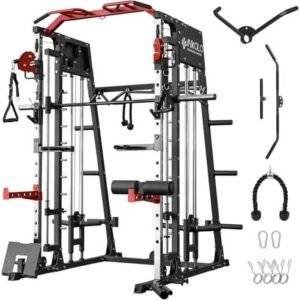


In today’s fast-paced world, where convenience often trumps the commitment to personal health, the pursuit of strength training can sometimes be overshadowed by quick-fix fitness trends. However, resistance training stands as a cornerstone of physical fitness that offers a wealth of benefits far beyond mere muscle gain. Whether you’re a seasoned gym-goer, a casual exerciser, or someone just starting their fitness journey, understanding the multifaceted advantages of resistance training is crucial. From enhancing overall health and increasing metabolic rate to boosting mental well-being and improving functional performance, the transformative power of lifting weights is undeniable. In this article, we will delve into the essential benefits of resistance training, empowering you to embrace this powerful practise and unlock your full potential. Join us as we explore how incorporating resistance training into your routine can lead to a stronger, healthier, and more resilient you.
Table of Contents
- Understanding the Science Behind Resistance Training and Muscle Growth
- Key Health Benefits of Resistance Training for All Age Groups
- Practical Tips to Incorporate Resistance Training into Your Routine
- Choosing the Right Resistance Training Program for Your Goals
- Insights and Conclusions
Understanding the Science Behind Resistance Training and Muscle Growth
At the heart of resistance training lies the concept of muscle hypertrophy, which refers to the growth and increase in the size of muscle fibers. When muscles encounter stress from lifting weights or engaging in various forms of resistance, tiny tears occur in the muscle fibers. This process stimulates the body’s repair mechanisms, leading to the recruitment of satellite cells, which fuse to the damaged fibers, triggering growth. The synthesis of proteins plays a crucial role here; when combined with adequate nutrition, particularly the intake of protein, muscle recovery and growth are optimized. Thus, understanding the biochemical responses to resistance training is key to unlocking your potential for strength development.
Moreover, the benefits of this type of training extend beyond just muscle size. Resistance training enhances neuromuscular adaptation, which improves coordination and strength by optimizing the efficiency of neural pathways. This adaptation results in better muscle recruitment and overall functional strength. In addition to building muscle, regular resistance training can also lead to improved bone density, enhanced metabolism, and better insulin sensitivity, contributing to overall health and wellness. Below are some key mechanisms involved in these benefits:
- Improved Muscle Fiber Recruitment: Efficiently engages more muscle fibers.
- Metabolic Adaptations: Increases resting metabolic rate post-exercise.
- Enhanced Physical Performance: Boosts endurance, speed, and agility.
- Injury Prevention: Strengthens tendons and ligaments for better joint support.
Key Health Benefits of Resistance Training for All Age Groups
Resistance training offers a multitude of health benefits that span across all age groups, promoting overall well-being and vitality. Muscle strength and endurance are significantly improved through regular engagement in weight training, which helps to offset the natural decline of muscle mass with age. For younger individuals, resistance training can enhance athletic performance by improving power and stability, while older adults experience increased functional fitness, allowing them to maintain independence in daily activities, such as lifting groceries or climbing stairs.
Additionally, resistance training plays a crucial role in enhancing metabolic health for everyone. Engaging in this type of exercise helps to increase basal metabolic rate, which promotes better weight management and fat loss. Notably, it also improves bone density, reducing the risk of osteoporosis in older adults as well as children, who are still developing their skeletal structure. Below are some of the remarkable impacts of resistance training on various health aspects:
| Health Aspect | Benefit |
|---|---|
| Muscle Strength | Increases overall muscle mass |
| Metabolic Health | Boosts calorie burn and fat loss |
| Bone Density | Strengthens bones and reduces fracture risk |
| Functional Fitness | Enhances daily living activities |
| Mental Health | Improves mood and reduces symptoms of anxiety |
Practical Tips to Incorporate Resistance Training into Your Routine
Incorporating resistance training into your daily routine doesn’t have to be overwhelming. Start simple by dedicating just 20-30 minutes two to three times a week to strength-building exercises. Bodyweight exercises like squats, push-ups, and lunges can be performed at home without any equipment. Additionally, consider using resistance bands or light dumbbells to enhance the intensity of your workouts. Here are a few practical tips to get started:
- Set Realistic Goals: Determine specific, attainable goals to keep you motivated.
- Create a Schedule: Block out time in your calendar dedicated to your workouts.
- Mix It Up: Combine different exercises to prevent boredom and work various muscle groups.
To track your progress and stay engaged, consider keeping a workout journal or utilizing a fitness app. This not only helps in logging your achievements but also serves as a source of motivation. Remember to listen to your body—rest days are just as important as workout days. Take a look at the table below for an outline of a simple weekly resistance training plan:
| Day | Focus Area | Example Exercises |
|---|---|---|
| Monday | Upper Body | Push-ups, Dumbbell Rows |
| Wednesday | Lower Body | Squats, Lunges |
| Friday | Core | Planks, Russian Twists |
Choosing the Right Resistance Training Program for Your Goals
When selecting a resistance training program, it’s crucial to align your choice with your personal goals. Are you looking to build muscle mass, increase strength, or enhance endurance? Each goal requires a different approach to training. For example, if muscle hypertrophy is your target, focus on moderate to heavy weights with a rep range of 6-12 and shorter rest periods. Alternatively, if your aim is to improve strength, you might consider lower rep ranges of 1-5 with heavier weights and longer rest intervals to maximize recovery and performance. Remember, the specificity of your training is key!
Additionally, consider your experience level and time commitment. A beginner might benefit from a simpler program that emphasizes proper form and foundational movements, such as:
- Squats – Targets the lower body
- Bench Press - Strengthens the upper body
- Deadlifts – Engages the entire body
More advanced lifters may explore specialized programs like powerlifting, Olympic lifting, or body-split routines which can offer varied exercises and intensities over a week. Use tracking tools, like a simple table to monitor your progress:
| Week | Exercise | Weight (lbs) | Reps |
|---|---|---|---|
| 1 | Squats | 150 | 10 |
| 2 | Bench Press | 100 | 12 |
| 3 | Deadlift | 200 | 8 |
Insights and Conclusions
the journey to unlocking your physical potential through resistance training is a testament to the body’s remarkable capacity for adaptation and growth. As we’ve explored in this article, the benefits extend far beyond mere muscle gain; from enhancing metabolic health and improving bone density to boosting mental resilience and overall quality of life, resistance training is a multifaceted approach to well-being.
Whether you’re a seasoned athlete or a newcomer to the fitness world, incorporating resistance training into your routine can empower you to achieve your personal health goals. Remember, consistency is key, and the progress you make today lays the foundation for a healthier tomorrow.
As you embark on or continue this journey, consider working with a professional trainer to tailor a program that suits your individual needs and goals. Embrace the strength within you, and take the first step toward a more robust, healthier version of yourself. After all, the path to wellness is not just a destination but a lifelong commitment to strength, resilience, and vitality. Here’s to unlocking your strength—one rep at a time!